 by
Rent or buy? Almost everyone looking for a home in Egypt asks this now — a young person starting out, a growing family that wants to settle, or someone moving for work. There is no single answer: the right choice depends on your finances, your plans, your job, and where you want to live. This article explains the real difference between renting and buying in 2026, and when each is smarter.
First, there is no one right answer. What suits your friend may not suit you, and what was right five years ago may not be right now. The decision is financial and personal, and must rest on your own calculations — not on what people say, not on fear of rising prices, and not on the idea that rent is wasted.
Rent or Buy: The Real Difference Between the Two
Renting means paying to use a home for a set period, without owning it. Advantages: great flexibility, low initial cost, no long commitment, and major maintenance is usually the owner’s job. Disadvantages: you build no ownership, rent can rise at renewal, and the owner may not renew — so you are never fully settled.
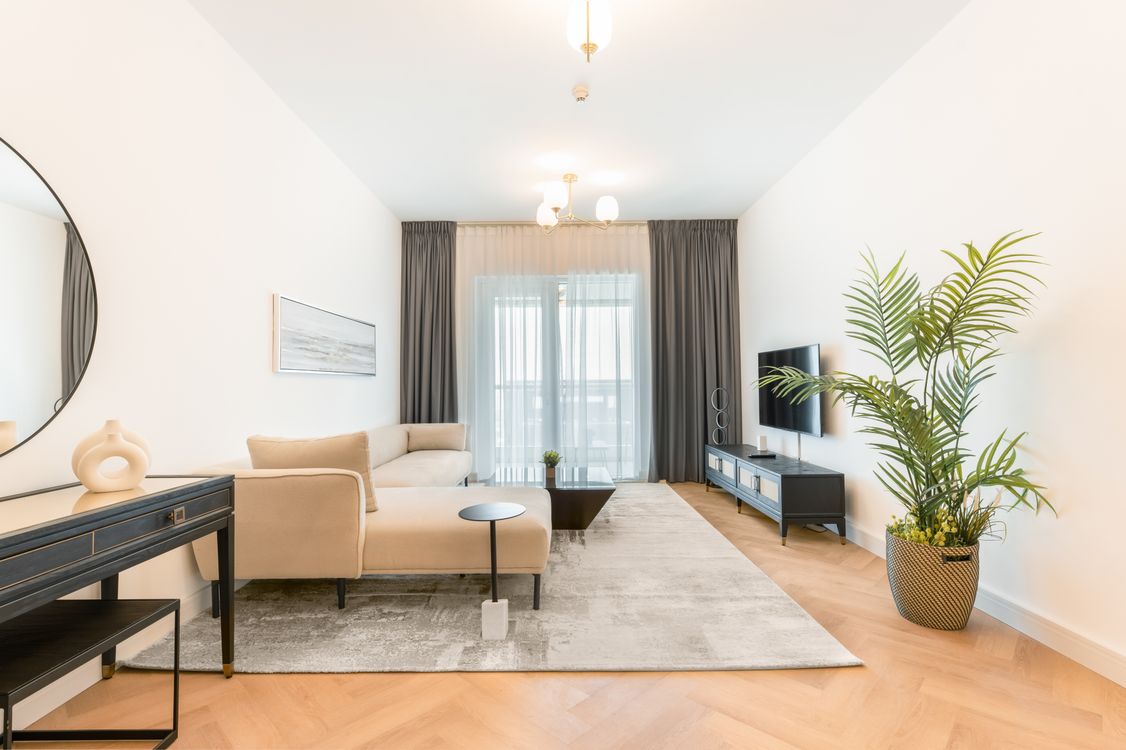
Buying means paying the price — cash or instalments — and becoming the owner. Advantages: full stability, nobody can make you leave, the home is an asset that usually gains value, and you can alter it freely and rent it out later. Disadvantages: a very large initial cost, a long commitment with instalments, hard to move fast if work changes, and maintenance and finishing on you.
In short: renting buys flexibility, buying buys stability and ownership. Which do you need right now? That is the real question.
Rent or Buy in Terms of Cost: Calculate It Properly
The biggest mistake is comparing rent to the instalment alone. A fair comparison includes everything. Renting costs: the rent, a deposit, sometimes a broker’s commission, and moving costs each time you move. Buying costs: the down payment, instalments, registration, finishing and furnishing, maintenance, maintenance deposit instalments in a compound, and ownership taxes and fees.
Also count the opportunity cost: what return would the down payment bring elsewhere? And what share of your income would the instalment take? A common rule: if the instalment takes more than a third of your income, you are overstretching — reconsider, or find a smaller home or an easier plan.
Do not trust rental figures online: rent in Egypt depends on area, size, finishing, furnishing and the rental period, and any price without the period and unit is misleading. Compare real homes in the same area — apartments for rent in Madinaty against apartments for sale in Madinaty — and you will see the real difference.
When Is Renting Better Than Buying?
Renting is better in clear cases. First, if your job is unstable or you expect to move within a year or two, to another governorate or abroad. Second, if your income is still growing and in two years you could afford a much better home — renting meanwhile beats a small home with a heavy instalment.

Third, if you are still learning a new area: a year of renting teaches you about transport, services, schools, neighbours and traffic before you commit all your money. Fourth, if you lack a down payment now, renting lets you live well while you save, without borrowing beyond your means.
Fifth, if you like changing homes, or work keeps you travelling, renting’s flexibility matters more than ownership. Rent is not wasted money: it is the price of flexibility, freedom and no long commitment — and that has real value.
When Is Buying Better Than Renting?
Buying is better if you are stable in job and location, will live in the same area for years, have a suitable down payment, and can pay instalments without straining your budget. It also suits families wanting stability for children in one school and area, and people who want to shape their home without asking anyone.
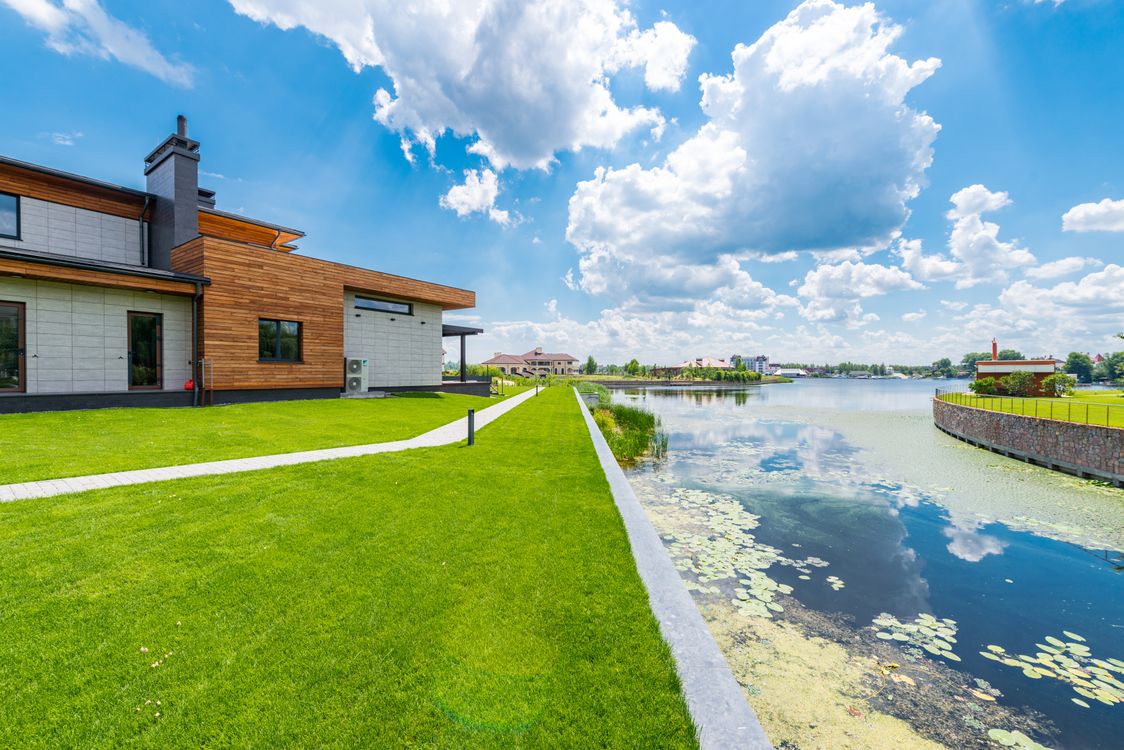
Buying also suits those who see the home as a long-term investment. A home bought today in a developing area — such as New Cairo, Madinaty and the new cities — usually gains value, and renting it out later can bring income. But this is a long-term investment, not quick profit: buy where demand is real, not just marketed.
Do not buy only because you fear prices will rise. Fear is not a financial plan. Buy when you are ready and find the right home at a price that suits you — not when the market pressures you.
Rent or Buy for Young People Starting Out?
For young people starting out, renting is usually the smarter start, while they are still building themselves and trying jobs and places. It lets you live well without locking all your money into a down payment, while you save for buying.
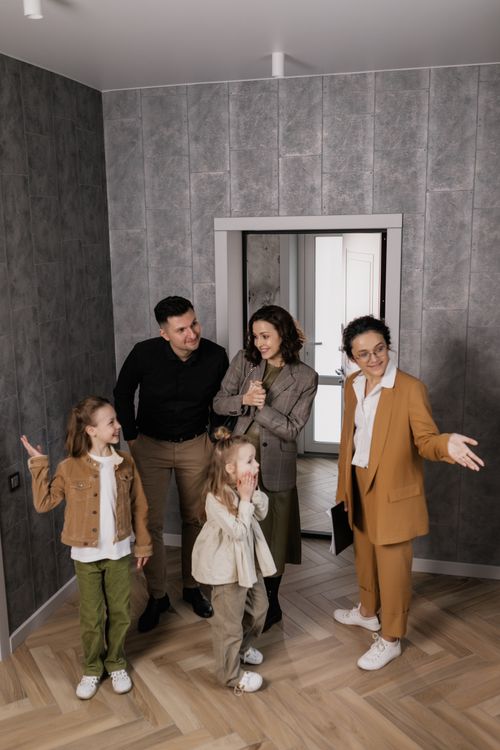
But with a good steady income, a down payment ready, and a suitable small home on a comfortable plan, buying early can be smart: you build ownership early, paying instalments on a home that will be yours instead of rent for years. It depends on income and stability, not age.
The coast is different: chalets in Marassi are rented seasonally, with the period set by the season and the unit — so do not judge them like Cairo rents. See chalets for rent in Marassi to try summer living there first.
Common Mistakes in the Rent or Buy Decision
- Comparing rent to the instalment alone, without the other costs.
- Buying a bigger home than you need because “the family will grow”, then carrying a heavy instalment.
- Renting an expensive home for appearances, losing the chance to save a down payment.
- Buying where prices are low but the area does not suit you, then suffering the transport and services.
- Buying under pressure — from family, the market or an advert — without working out your budget.
- Forgetting finishing, furnishing and registration costs when working out the cost.
How to Make the Decision in 2026: Practical Steps
First, write down your real monthly income and fixed expenses, and see what you can pay each month — rent or instalment — without harming your life. Second, decide how long you will stay — a year, three years, ten years? Under three years, renting is usually cheaper. Third, find real homes for rent and sale in the same area and compare total costs, not just monthly figures.
Fourth, ask about instalment plans if you buy, and contract terms if you rent — length, renewal, annual increase and maintenance. Fifth, take your time, visit the area at different times, and ask residents about it. This decision shapes years of your life; do not rush it.
Frequently Asked Questions
Rent or buy: which is cheaper in 2026?
No single answer fits everyone — it depends on your income, down payment, area and how long you stay. Staying years in one place with a good down payment makes buying cheaper long-term; moving soon or a growing income makes renting smarter now.
Is rent money thrown away?
No. Rent pays for a home, flexibility and freedom from commitment, and lets you live well without locking money into a down payment. Truly wasted money is instalments on a home that does not suit you or is beyond your means.
Should I buy in instalments or wait until I have saved the full price in cash?
With a comfortable plan and an instalment that suits your income, instalments can beat waiting, especially if prices are rising. But if the instalment squeezes you, wait and save a bigger down payment.
How do I compare a home for rent with a home for sale in the same area?
Compare real homes in the same area at the same level, and work out the total cost of each over the same period — say five years — including all costs, not just the monthly figure. Contact us and we will help.
Contact Us
If you are torn between renting and buying and want help comparing real homes in the area that suits you, call us on 01121111619, message us on WhatsApp at https://wa.me/201121111619, email us at info@rcestate.com, or visit our contact page and leave your details — we will get back to you soon.